
Non Drug Movement Therapy: How Trampoline Fitness Complements Pain Management Without Medication

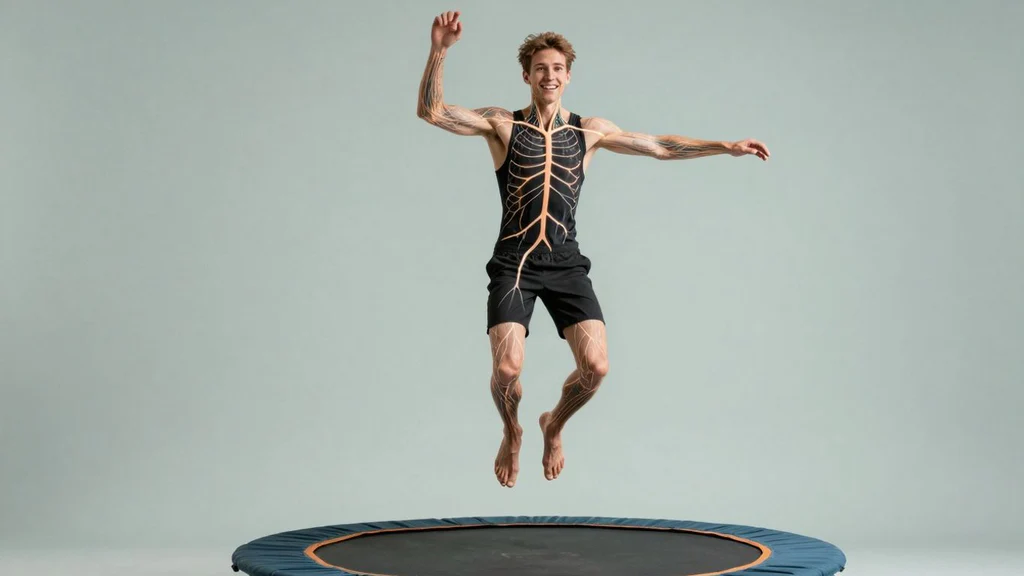
Pain is one of the most common reasons adults reduce physical activity as they age. In Singapore, long working hours, sedentary routines, repetitive strain, and past injuries often lead to chronic discomfort in the knees, lower back, hips, shoulders, and neck. While medication can provide temporary relief, many people are now seeking non drug approaches that address pain without relying on long term pharmaceutical use.
This is where trampoline fitness singapore offers a compelling solution. Trampoline based movement is increasingly recognised as a supportive, non drug therapy that complements pain management by improving circulation, mobility, neuromuscular control, and tissue recovery, all without introducing chemical dependency.
This article explores how trampoline fitness fits into modern pain management strategies, particularly for adults living and working in high demand urban environments.
The Growing Shift Toward Non Drug Pain Management
Pharmaceutical pain relief plays an important role in acute injury and post surgical care. However, long term reliance on medication for musculoskeletal pain raises concerns such as:
-
Gastrointestinal irritation
-
Reduced pain sensitivity over time
-
Dependency or tolerance risks
-
Masking of underlying movement issues
As awareness grows, healthcare and wellness professionals increasingly emphasise movement based therapies that restore function rather than suppress symptoms.
Understanding Pain Beyond Symptoms
Pain is not only a physical sensation. It is influenced by multiple factors including nervous system sensitivity, muscle tension, inflammation, posture, and psychological stress.
Chronic pain often develops when:
-
Muscles remain tense for prolonged periods
-
Joints lose range of motion
-
Circulation is restricted
-
The nervous system stays in a heightened alert state
Movement therapies that address these contributors can reduce pain perception naturally.
Why Movement Therapy Is Effective for Pain Reduction
Movement improves pain outcomes by changing how the body processes signals. When done correctly, it can recalibrate the nervous system and improve tissue health.
Key benefits include:
-
Increased blood flow delivering oxygen and nutrients
-
Improved joint lubrication
-
Reduced muscle guarding
-
Enhanced neural communication
Trampoline fitness uniquely combines these benefits in a low impact format.
The Role of Trampoline Fitness in Pain Management
Trampoline fitness uses a responsive surface that absorbs impact while encouraging full body movement. This makes it particularly suitable for individuals managing pain who may not tolerate traditional high impact exercise.
Key therapeutic qualities include:
-
Shock absorption that reduces joint compression
-
Gentle vertical loading that stimulates muscles and bones
-
Continuous movement that enhances circulation
These qualities allow people to move with confidence, even when pain is present.
Neuromuscular Reeducation Through Rebound Movement
Pain often alters movement patterns unconsciously. People compensate by avoiding certain positions or overusing specific muscles, which can worsen discomfort over time.
Trampoline fitness supports neuromuscular reeducation by:
-
Encouraging symmetrical movement
-
Improving balance and coordination
-
Reactivating stabilising muscles
This retrains the body to move efficiently, reducing strain on painful areas.
Pain Modulation and the Nervous System
The nervous system plays a central role in pain perception. When it is overstimulated, even minor sensations can feel intense.
Trampoline workouts help calm the nervous system through:
-
Rhythmic, repetitive motion
-
Improved breathing patterns
-
Endorphin release
Endorphins are natural pain modulators that reduce discomfort and improve mood without medication.
Reducing Inflammation Through Gentle Movement
Inflammation is a common contributor to chronic pain. Prolonged inactivity can worsen inflammation by limiting circulation and lymphatic drainage.
Trampoline fitness supports anti inflammatory processes by:
-
Enhancing lymphatic flow
-
Promoting metabolic waste removal
-
Encouraging gentle joint motion
This creates an internal environment that supports healing rather than stagnation.
Joint Friendly Load Distribution
One of the biggest challenges in pain management exercise is applying enough load to stimulate tissues without aggravating joints.
Trampoline fitness achieves this balance by:
-
Distributing force across muscles and joints
-
Reducing peak impact forces
-
Allowing intensity adjustments based on comfort
This makes it suitable for individuals managing knee pain, lower back discomfort, or joint sensitivity.
Supporting Pain Management Without Masking Signals
A key advantage of non drug movement therapy is that it does not suppress pain signals entirely. Instead, it helps address underlying contributors.
Trampoline fitness encourages:
-
Awareness of movement quality
-
Gradual progression based on tolerance
-
Respect for recovery and rest
This approach reduces the risk of overuse injuries that sometimes occur when pain is masked by medication.
The Psychological Aspect of Pain Relief
Chronic pain often affects emotional wellbeing, leading to frustration, anxiety, or reduced confidence in movement.
Trampoline fitness supports psychological recovery by:
-
Providing a sense of achievement without pain escalation
-
Creating positive movement experiences
-
Improving mood through physical engagement
This emotional shift plays a powerful role in long term pain improvement.
Pain Management in Singapore’s Urban Context
Urban lifestyles often limit access to movement friendly environments. Trampoline fitness provides a controlled indoor setting where individuals can move safely regardless of weather or space constraints.
This is especially beneficial for:
-
Office workers with limited daily movement
-
Adults returning to exercise after pain related breaks
-
Individuals seeking structured, guided sessions
Structured programs help ensure that movement supports recovery rather than aggravation.
The Importance of Professional Guidance
While trampoline fitness is accessible, proper instruction ensures that movements support pain management goals.
Well designed sessions focus on:
-
Correct posture and alignment
-
Controlled intensity progression
-
Adequate rest intervals
Many individuals prefer guided environments such as TFX Fitness, where programs are designed to support long term wellbeing rather than short term intensity.
Long Term Outcomes of Movement Based Pain Therapy
With consistent practice, trampoline fitness can contribute to:
-
Reduced reliance on pain medication
-
Improved joint confidence
-
Enhanced daily function
-
Greater resilience to physical stress
These outcomes support sustainable pain management without chemical intervention.
Frequently Asked Questions
Q: Can trampoline fitness replace pain medication entirely?
A: It is not a replacement for medical treatment when medication is necessary. However, it can reduce reliance on medication by addressing physical contributors to pain.
Q: Is trampoline fitness suitable for people with chronic lower back pain?
A: Many people find it beneficial due to reduced impact and improved core engagement. Individual tolerance should always guide intensity.
Q: Does trampoline fitness aggravate joint inflammation?
A: When performed with proper technique and controlled intensity, it typically reduces rather than aggravates inflammation.
Q: How often should trampoline fitness be practiced for pain relief?
A: Two to three sessions per week are often effective, allowing adequate recovery between sessions.
Q: Can trampoline fitness help with pain caused by long hours of sitting?
A: Yes. It counteracts stiffness, improves circulation, and reactivates muscles that become underused during prolonged sitting.

Comments are closed.