

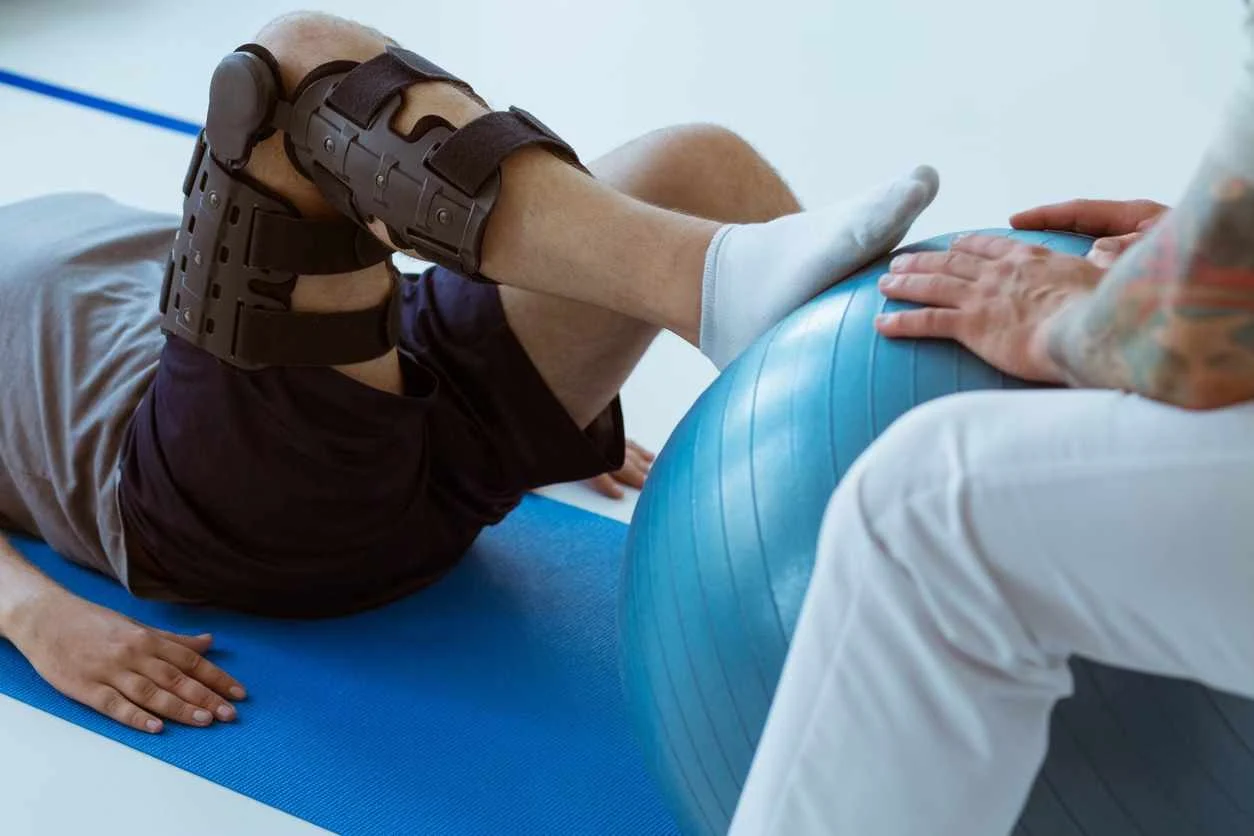
Injury is one of the most common reasons people in Singapore stop exercising altogether. It rarely happens because exercise itself is harmful. More often, injuries occur due to poor movement patterns, fatigue mismanagement, or a lack of real time feedback. This is where structured workout classes play a crucial role, especially when they are coach led and carefully programmed.
For desk bound professionals, active adults, and even experienced gym goers, injury risk increases when workouts are self directed. Coach led classes shift the focus from doing more to moving better, which significantly lowers the chances of short term strain and long term damage.
Why Most Gym Injuries Happen Outside Classes
Many people assume injuries come from heavy weights or high intensity workouts. In reality, injuries often stem from repetitive poor movement rather than intensity alone.
Common causes include:
-
Incorrect posture during exercises
-
Imbalanced muscle development
-
Ignoring fatigue signals
-
Rushing through movements
-
Lack of proper warm up or cooldown
When individuals train alone, these issues often go unnoticed until pain appears. Classes provide a structured environment that actively reduces these risks.
The Protective Role of Coaching in Workout Classes
The presence of a qualified coach is the most significant difference between classes and unsupervised workouts. Coaching transforms exercise from a trial and error process into a guided system.
Real Time Movement Correction
One of the biggest injury prevention advantages of coach led classes is immediate feedback. Coaches observe movement quality throughout the session and correct issues as they arise.
This includes:
-
Adjusting spinal alignment during lifts
-
Correcting knee and hip tracking
-
Improving shoulder positioning during overhead movements
-
Teaching safer breathing patterns under load
Small corrections made early prevent strain from building up over time.
Teaching Body Awareness
Many injuries occur because people are unaware of how their bodies move under stress. Classes help participants develop awareness of muscle engagement, joint positioning, and fatigue levels.
Over time, this awareness carries over into daily activities, reducing injury risk outside the gym as well.
How Structured Class Design Reduces Injury Risk
Workout classes are not random collections of exercises. Well designed sessions follow a logical flow that prepares the body for effort and supports recovery.
Progressive Warm Ups That Match the Workout
Unlike rushed or skipped warm ups common in solo training, classes include warm ups designed specifically for the session ahead.
Effective warm ups:
-
Increase joint mobility
-
Activate underused muscles
-
Gradually raise heart rate
-
Prepare the nervous system
This preparation significantly reduces the likelihood of strains and pulls.
Balanced Training Across Muscle Groups
Self directed workouts often overemphasise certain muscles while neglecting others. Classes are programmed to balance pushing and pulling, strength and mobility, effort and recovery.
Balanced programming supports:
-
Joint stability
-
Even muscle development
-
Improved coordination
-
Reduced overuse injuries
This holistic approach protects the body over the long term.
Fatigue Management Inside Workout Classes
Fatigue is a major contributor to injury. When people train alone, they often push beyond safe limits without realising it.
Coaches Monitor Signs of Excessive Fatigue
Experienced coaches recognise when form begins to deteriorate or when participants are struggling to maintain control. They intervene before fatigue turns into injury.
This may involve:
-
Reducing load or intensity
-
Modifying movements
-
Encouraging longer rest periods
-
Adjusting expectations for the day
This flexibility keeps training productive without unnecessary risk.
Built In Recovery Opportunities
Classes naturally include rest intervals and lower intensity phases. This prevents continuous strain on joints and connective tissue, which is common in unstructured workouts.
Why Classes Are Safer for Desk Bound Professionals
Office based lifestyles create specific vulnerabilities. Prolonged sitting weakens some muscles while tightening others, increasing injury risk during exercise.
Addressing Postural Weaknesses
Coach led classes actively target common desk related issues such as weak glutes, tight hips, and rounded shoulders. Strengthening and mobilising these areas reduces stress on the spine and joints.
Participants often experience:
-
Less lower back discomfort
-
Improved posture during work hours
-
Better movement control during exercise
These changes directly lower injury risk.
Teaching Safe Load Distribution
Many injuries occur when the body compensates for weak areas. Classes teach participants how to distribute load across muscles properly, protecting vulnerable joints.
Long Term Injury Prevention Through Consistency
Injury prevention is not about avoiding effort. It is about applying effort consistently and intelligently over time.
Consistent Technique Reinforcement
Classes reinforce proper technique week after week. This repetition builds strong movement habits that protect the body even as intensity increases.
Over time, participants move more efficiently, reducing unnecessary stress on joints and muscles.
Avoiding the Stop Start Cycle
Many people train intensely, get injured, stop exercising, then start again. Classes promote steady progression that avoids extreme spikes in workload, breaking this cycle.
At True Fitness Singapore, coach led workout classes are designed to support long term participation rather than short bursts of effort, making injury prevention a core outcome rather than an afterthought.
How Classes Support Safe Progression Over Time
Injury risk increases when progression is poorly managed. Classes offer a safer path to improvement.
Gradual Increases in Demand
Rather than sudden jumps in weight or intensity, classes increase challenge gradually through volume, tempo, and complexity. This allows connective tissue and joints to adapt alongside muscles.
Individual Modifications Within Group Settings
Although classes are group based, coaches provide options that suit different abilities. This ensures participants are challenged appropriately without copying movements that may not suit their bodies.
Real-Life FAQs
Q: Are workout classes safer than training alone in the gym?
A: For most people, yes. The presence of coaching, structured programming, and fatigue monitoring significantly reduces injury risk compared to unsupervised training.
Q: Can workout classes help prevent recurring injuries?
A: Yes. Classes focus on correcting movement patterns and strengthening weak areas, which often reduces the likelihood of recurring issues.
Q: What if I already have a minor injury?
A: Coaches can provide modifications that allow continued participation while avoiding aggravation. This helps maintain fitness without complete rest.
Q: Do low intensity classes also reduce injury risk?
A: Absolutely. Mobility and technique focused classes improve joint health and movement control, which are key to long term injury prevention.
Q: How long does it take for injury risk to decrease with regular classes?
A: Many participants notice improved movement confidence within weeks, while long term injury resilience develops over months of consistent attendance.

Comments are closed.