

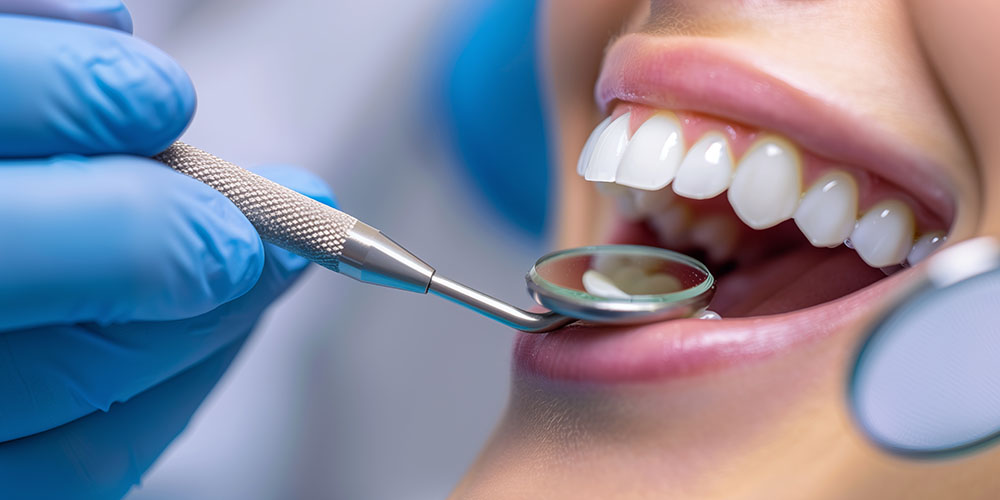
Many people visit the dentist only when pain appears. While this may seem like a practical way to reduce short-term expenses, it often leads to higher treatment costs later. Preventive dental care focuses on early detection, routine maintenance, and small corrections before they become complex problems.
Over time, consistent preventive care protects not just your teeth—but also your budget.
What Is Preventive Dental Care?
Preventive dental care includes everyday habits and professional checkups designed to stop oral problems before they start.
Common preventive measures include:
- Daily brushing and flossing
- Routine dental examinations
- Professional cleaning
- Early cavity detection
- Fluoride protection when needed
- Gum health monitoring
These simple actions help avoid expensive procedures later.
The True Cost Difference Between Prevention and Treatment
Minor dental issues are usually inexpensive to manage early. However, untreated problems often progress into more complicated conditions requiring advanced care.
For example:
- A small cavity may only require a simple filling
- A neglected cavity can lead to root canal treatment
- Further delay may require tooth extraction and replacement
Each step increases both treatment complexity and cost.
Preventive care keeps problems small and manageable.
Early Detection Prevents Expensive Procedures
Routine dental visits help identify issues that may not yet cause pain.
Dentists can detect:
- Early enamel weakening
- Gum inflammation
- Plaque buildup below the gumline
- Bite alignment concerns
- Small cracks in teeth
Treating these early prevents advanced restorative procedures later.
Professional Cleanings Reduce Long-Term Treatment Costs
Even careful brushing cannot remove hardened plaque completely. Professional cleaning removes deposits that can eventually lead to gum disease.
Benefits include:
- Lower risk of periodontal treatment
- Reduced chance of tooth loss
- Better breath freshness
- Healthier gum attachment
Healthy gums provide the foundation for long-term oral stability.
Preventing Gum Disease Avoids Major Expenses
Gum disease is one of the most common causes of adult tooth loss. Treatment becomes more expensive as the condition progresses.
Preventive habits help avoid:
- Deep cleaning procedures
- Surgical gum treatment
- Bone grafting
- Tooth replacement solutions
Protecting gum health protects your finances too.
Strong Daily Habits Reduce Emergency Dental Visits
Emergency treatments are often the most expensive because they require immediate attention and complex care.
Preventive routines reduce the likelihood of:
- Sudden tooth pain
- Broken fillings
- Infections
- Abscess formation
- Tooth fractures
Avoiding emergencies saves both money and stress 😌
Preventive Care Supports Overall Health Costs
Oral health is closely connected with general health. Gum infections and untreated dental problems may affect other systems in the body.
Maintaining dental health helps support:
- Heart health
- Blood sugar control
- Immune system balance
- Reduced inflammation levels
Better oral health can contribute to fewer medical complications overall.
Children Benefit the Most From Preventive Dental Care
Preventive care started early creates lifelong savings.
It helps children:
- Develop proper brushing habits
- Avoid early cavities
- Maintain healthy jaw development
- Reduce orthodontic complications later
Early habits often prevent expensive corrective treatments during adolescence.
Preventive Dentistry Protects Dental Insurance Benefits
Routine visits typically receive higher coverage support compared to major procedures.
Preventive appointments often include:
- Exams
- Cleanings
- Basic imaging when necessary
Using preventive coverage regularly reduces the likelihood of needing costly treatments with lower coverage percentages.
Small Investments Today Prevent Large Expenses Tomorrow
Preventive dental care works like routine maintenance for a vehicle. Regular attention keeps systems functioning smoothly and prevents costly repairs.
Simple habits such as:
- Brushing twice daily
- Flossing consistently
- Drinking enough water
- Scheduling regular checkups
can significantly reduce lifetime dental costs.
Consistency is the most powerful cost-saving strategy in oral care 💡
Frequently Asked Questions (FAQs)
1. How often should preventive dental checkups be scheduled?
Most people benefit from visits every six months, though some may require more frequent monitoring depending on risk factors.
2. Are professional cleanings necessary if I brush well at home?
Yes. Cleanings remove hardened plaque that cannot be removed with a toothbrush alone.
3. Does preventive dental care help reduce tooth sensitivity?
Yes. Early enamel protection and gum monitoring can reduce sensitivity before it worsens.
4. Can preventive care lower the risk of tooth replacement procedures?
Yes. Maintaining strong enamel and healthy gums reduces the likelihood of losing teeth.
5. Is preventive dentistry useful for people without current dental problems?
Absolutely. Preventive care is most effective when started before symptoms appear.
6. Do lifestyle habits influence preventive dental success?
Yes. Diet, hydration, sleep quality, and stress management all influence oral health outcomes.
7. Can preventive dental care reduce bad breath long term?
Yes. Regular cleaning, gum care, and plaque control address common causes of persistent bad breath.

Comments are closed.